

Introduction
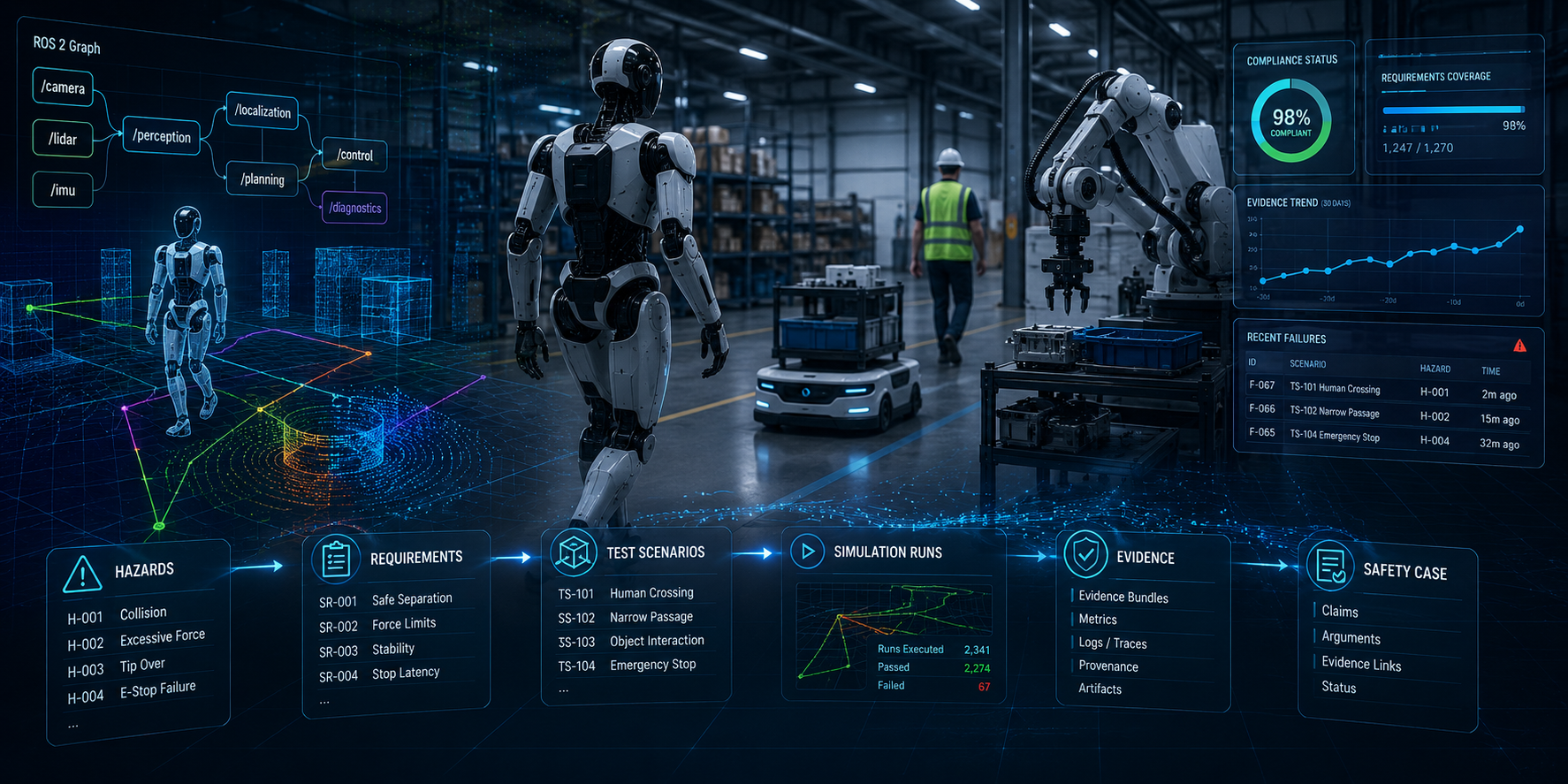
The era of humanoid robots has arrived. From factory floors to healthcare facilities, these human-like machines will transform how we work and live. But with great capability comes great responsibility. Building a safe humanoid robot requires more than just advanced engineering—it demands a systematic approach to four critical safety layers that work in harmony.
Physical stability stands as the number one safety concern identified by standards organizations worldwide. Yet safety extends far beyond preventing tip-overs. The robots of tomorrow must navigate ethical boundaries, respond intelligently to human instructions, and operate seamlessly in complex environments. Here's your roadmap to building humanoid robots that are not just functional, but fundamentally safe.
The Four-Layer Safety Framework
Building a truly safe humanoid robot requires understanding that safety isn't a single feature—it's a comprehensive system. Modern safety experts have identified four distinct but interconnected layers that must work together:
- Physical safety forms the foundation, focusing on mechanical stability, collision avoidance, and hardware fail-safes. This layer prevents immediate physical harm to humans and property.
- Behavioral safety governs how the robot interprets and responds to human commands, ensuring actions align with intended outcomes and ethical boundaries.
- Functional safety addresses system reliability, redundancy, and the robot's ability to perform tasks without failure modes that could create hazardous situations.
- Environmental safety ensures the robot can adapt to changing conditions, recognize potential hazards, and modify its behavior accordingly.
Each layer reinforces the others. A robot with superior collision detection (physical) but poor command interpretation (behavioral) remains fundamentally unsafe.
Physical Safety: The Foundation Layer
Physical stability dominates safety discussions for good reason. Unlike wheeled robots, humanoids walk on two legs—an inherently unstable configuration that requires constant balance adjustments.
Critical Stability Systems
Modern humanoid robots employ sophisticated balance control systems that continuously monitor:
- Center of mass positioning relative to the support polygon
- Ground reaction forces through foot sensors
- Inertial feedback from accelerometers and gyroscopes
- Joint torque limits to prevent mechanical damage
The key is real-time processing. Balance corrections must happen within milliseconds to prevent falls that could injure nearby humans or damage equipment.
Advanced Collision DetectionToday
's safest humanoids use dual-mechanism collision detection systems. These combine:
- Force signal monitoring tracks unexpected forces on joints and surfaces, indicating potential contact with objects or people.
- Active micro-motion backtracking detection continuously monitors the robot's intended versus actual movement, identifying collisions even before force sensors register contact.
This approach allows robots to detect and respond to collisions within 10-20 milliseconds—fast enough to minimize impact forces and prevent injury.
Regulatory Standards and Compliance
The regulatory landscape for humanoid robots evolves rapidly. Current standards provide a foundation, but humanoid-specific guidelines continue emerging.
Existing Standards
ISO 10218-1:2011 establishes safety requirements for industrial robots, focusing on inherent safe design and protective measures. While written for traditional industrial robots, many principles apply to humanoids.
ISO/TS 15066 addresses collaborative robot safety, providing crucial guidance for robots working alongside humans. This standard introduces concepts like Speed and Separation Monitoring (SSM) and Power and Force Limiting (PFL) that directly relate to humanoid applications.
Emerging Humanoid Standards
Industry groups develop humanoid-specific safety standards that address unique challenges like:
- Dynamic balance requirements during operation
- Human-robot interaction in unstructured environments
- Cognitive safety for AI-driven decision making
- Long-term operational safety for mobile platforms
These standards will likely become mandatory for commercial deployment, making early compliance a strategic advantage.
AI Safety and Ethical Guidelines
The brain of a humanoid robot—its AI system—requires its own safety framework. This goes beyond preventing physical harm to ensuring appropriate behavior in complex social situations.
Core Ethical Principles
Modern humanoid AI safety draws from Asimov-inspired principles but extends them for real-world complexity:
- Human safety remains paramount, but includes psychological and social well-being, not just physical protection.
- Appropriate obedience means following human commands while recognizing and refusing potentially harmful or unethical requests.
- Self-preservation balances robot protection with mission completion, preventing costly damage while maintaining functionality.
Privacy and Bias Considerations
BS 8611-inspired guidance identifies critical areas for ethical design:
- Data privacy protection for information collected through sensors, cameras, and interactions.
- Algorithmic bias mitigation to ensure fair treatment regardless of user demographics.
- Transparency in decision-making processes so humans understand why robots take specific actions.
These considerations prove essential for public acceptance and regulatory approval.
Environmental and Operational Safety
Safe humanoid robots must adapt to real-world environments that are messy, unpredictable, and constantly changing.
Environmental Perception
Advanced sensor suites enable robots to:
- Map surroundings in real-time using LIDAR, cameras, and ultrasonic sensors
- Identify hazards like wet floors, stairs, or moving obstacles
- Track humans to maintain safe distances and predict movement patterns
- Monitor conditions such as lighting, temperature, and air quality
Adaptive Response Systems
The safest humanoids employ layered response systems:
- Preventive measures identify and avoid potential hazards before they become dangerous.
- Active responses modify behavior when systems detect hazards—slowing down on wet surfaces or increasing following distance near children.
- Emergency protocols engage when systems detect immediate danger, including controlled shutdown procedures and emergency stop capabilities.
Implementation Best Practices
Building safety into humanoid robots requires systematic approaches from the earliest design phases.
Design for Safety First
Redundant systems ensure that single-point failures don't create dangerous conditions. Critical systems like balance control, emergency stops, and collision detection should have backup mechanisms.
Fail-safe defaults mean that when systems encounter errors or unexpected conditions, they default to the safest possible state—typically stopping movement and alerting human operators.
Graceful degradation allows robots to continue operating safely even when some subsystems fail, reducing functionality rather than creating hazards.
Testing and Validation
Comprehensive testing programs should include:
- Simulation environments for initial validation of safety systems
- Controlled physical testing with human actors in safe environments
- Real-world pilots with extensive monitoring and safety personnel
- Long-term reliability studies to identify failure modes over time
Conclusion
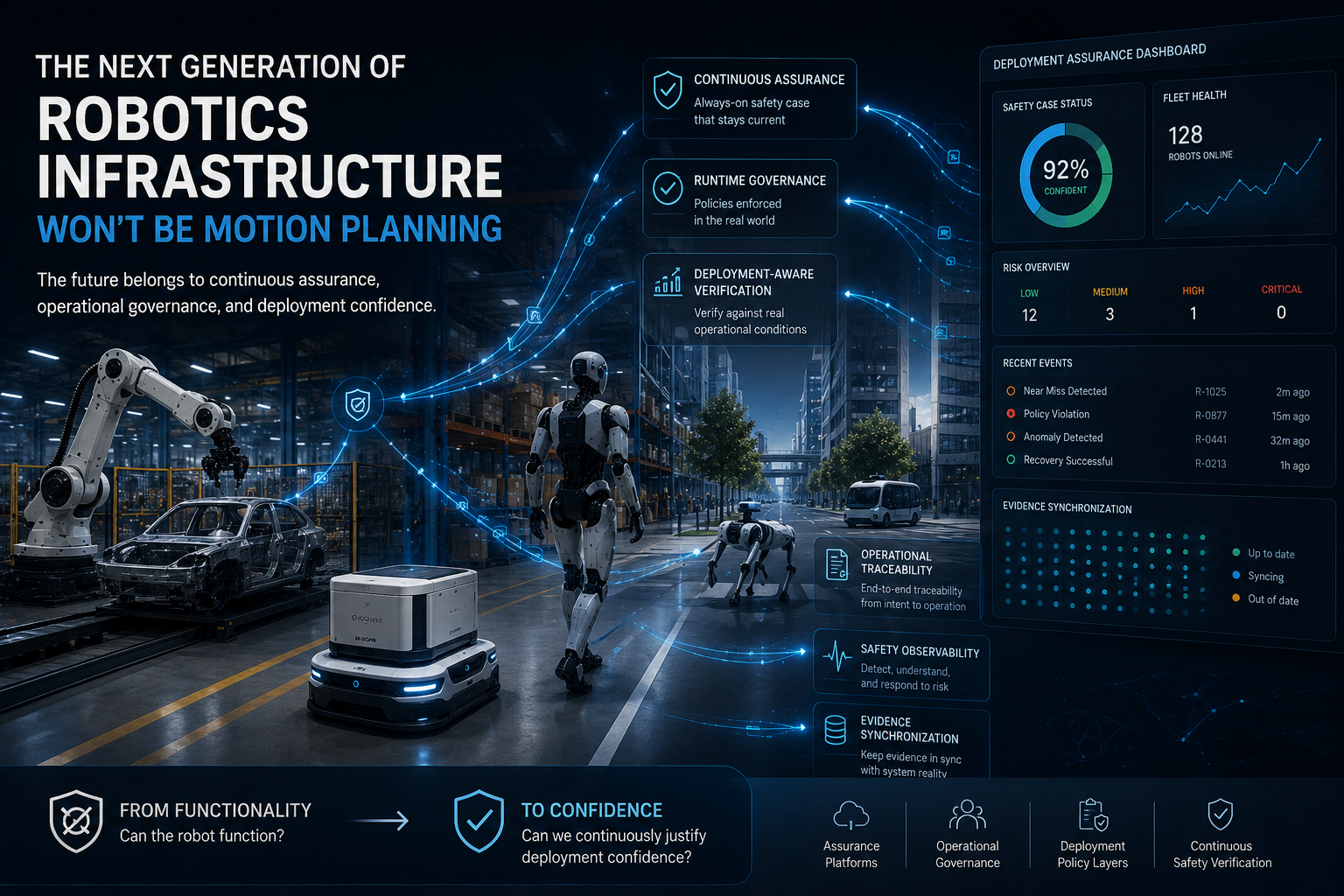
Building a safe humanoid robot presents not just an engineering challenge—it's a comprehensive undertaking that spans mechanical design, AI ethics, regulatory compliance, and real-world testing. The four-layer safety framework provides a roadmap, but success requires treating safety as a core design principle rather than an afterthought.
As humanoid robots become more prevalent, those who master comprehensive safety approaches will gain competitive advantages in both performance and market acceptance. The robots that succeed won't just be the most capable—they'll be the most trustworthy.
The future belongs to builders who understand that true innovation in robotics comes not from pushing boundaries, but from building bridges of trust through uncompromising safety standards.
Ready to build the future safely? The foundation starts with understanding that every great humanoid robot stands on a bedrock of comprehensive safety design.