
Opening
Software engineering solved many scaling problems through:
- reproducible builds
- dependency graphs
- CI pipelines
- deterministic compilation
- invalidation logic
Safety engineering still largely operates through manually synchronized documents.
Core Thesis
Safety cases should behave more like compiled system state than static documents.
What Compilation Means for Assurance
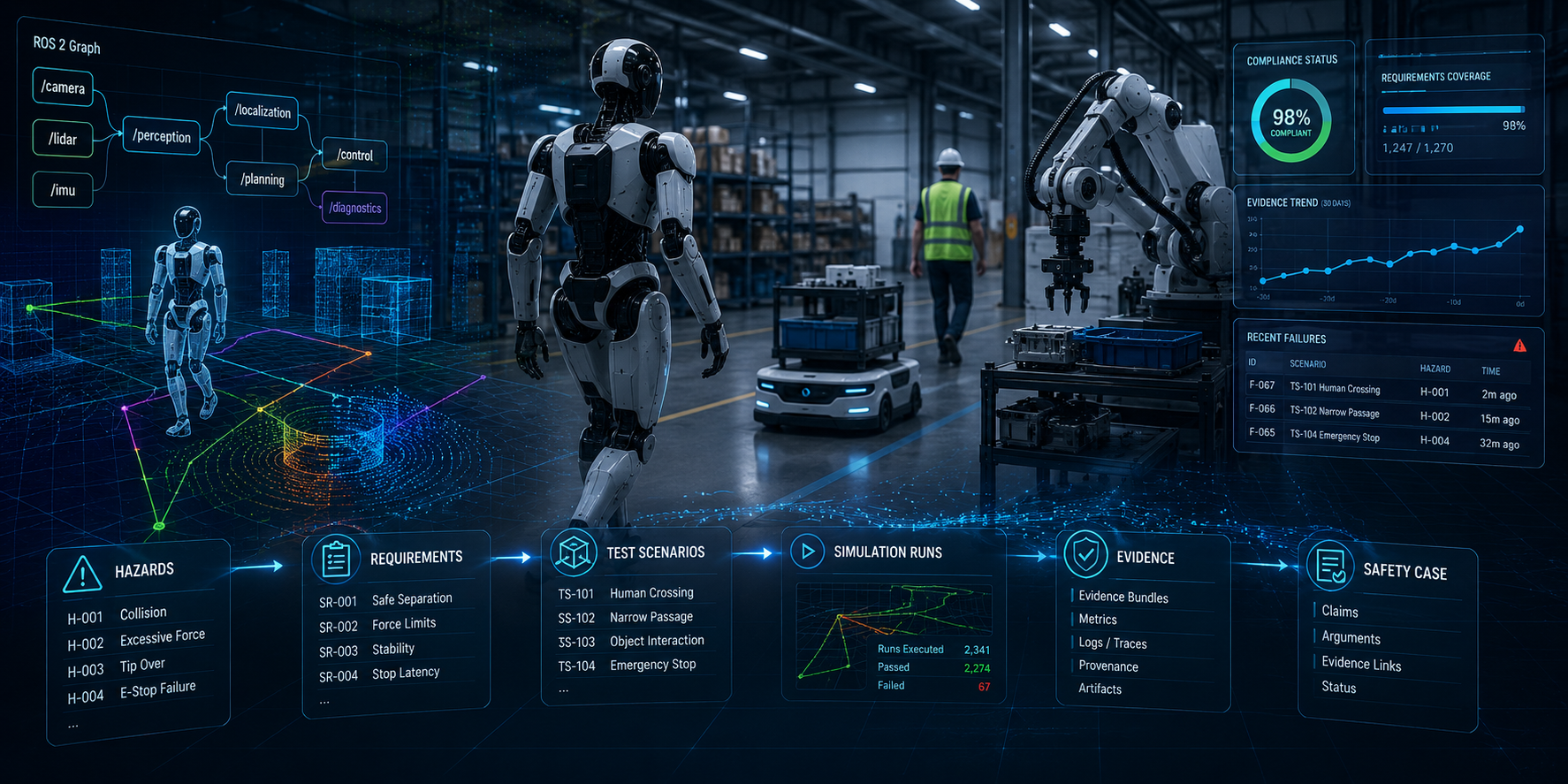
A modern safety pipeline should:
- ingest source artifacts
- propagate changes automatically
- identify invalidated evidence
- regenerate impacted sections
- maintain dependency awareness
Examples
A timing change in braking software should automatically flag:
- affected TSRs
- latency assumptions
- invalidated tests
- impacted safety arguments
- stale verification evidence
Why Static Traceability Breaks
Static matrices become stale immediately after:
- software updates
- architecture changes
- requirement revisions
- supplier modifications
The Build-System Analogy
Source code → compiled binary Engineering artifacts → compiled assurance state
Continuous Compilation
The future safety case:
- continuously rebuilds
- continuously propagates changes
- continuously surfaces stale assumptions
Closing
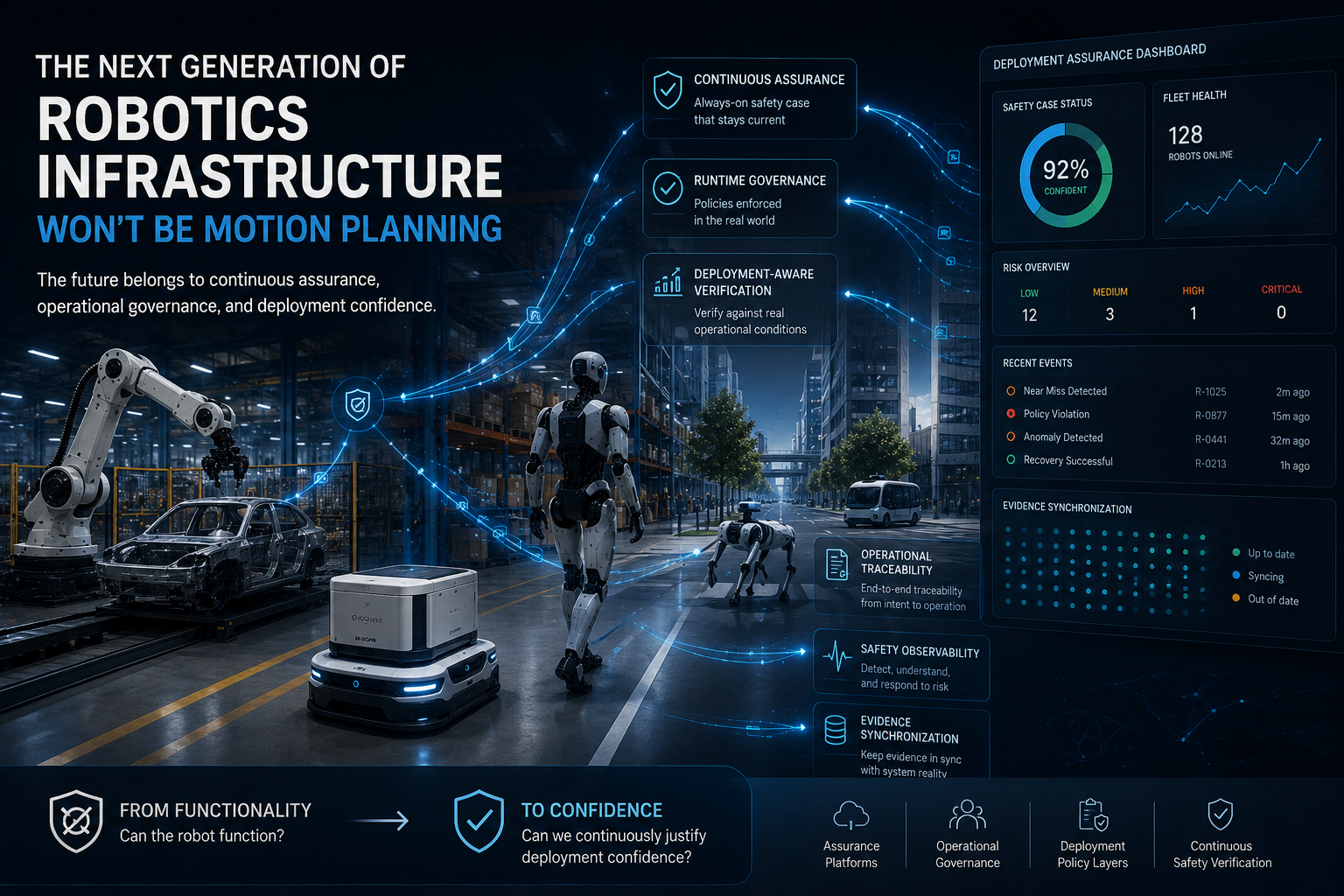
The goal is not automated sign-off. The goal is continuously synchronized engineering truth.