

Why TARA Feels Harder Than It Should Be
Threat Analysis and Risk Assessment (TARA) is not a new concept. Most cybersecurity teams know exactly how it should be done. The problem is executing it efficiently, consistently, and at scale.
In practice, TARA slows teams down because of avoidable friction:
- Inputs arrive as PDFs, Word docs, diagrams, and screenshots that must be manually interpreted
- Assets, interfaces, and assumptions live in different tools and spreadsheets
- Analysis tables are rebuilt by hand for every program
- Scoring rubrics vary across teams, making results hard to compare
- Traceability between architecture, scenarios, risk decisions, and requirements is often manual or missing
The result is a TARA that technically exists—but takes too long to create, is hard to update, and doesn’t scale well across products.
This is where a workflow-driven, AI-assisted approach changes the experience.
A TARA Workflow Designed for Real Engineering Teams
Instead of treating TARA as a static document, this approach treats it as a guided workflow that engineers can move through quickly and confidently.
You define:
- the steps you want to follow
- the scoring rubric you trust
- the outputs you need
The system generates structured drafts, engineers review and adjust them, and everything stays connected—from inputs to final decisions.
At a high level, the workflow looks like this:
- Ingest architecture and functional context
- Build a structured system model
- Identify assets and attack surface
- Generate scenarios, attack paths, and risk ratings
- Derive cybersecurity goals and requirements
- Maintain traceability and reuse across programs
Step 1: Start From the Inputs You Already Have
Teams don’t start with a clean security model. They start with architecture diagrams, functional descriptions, and specifications.
The workflow begins by ingesting:
- PDFs and Word documents
- system and network diagrams
- images and screenshots (via OCR)
Key entities are extracted and kept linked to their sources so engineers can quickly validate and correct them—without manual re-entry.
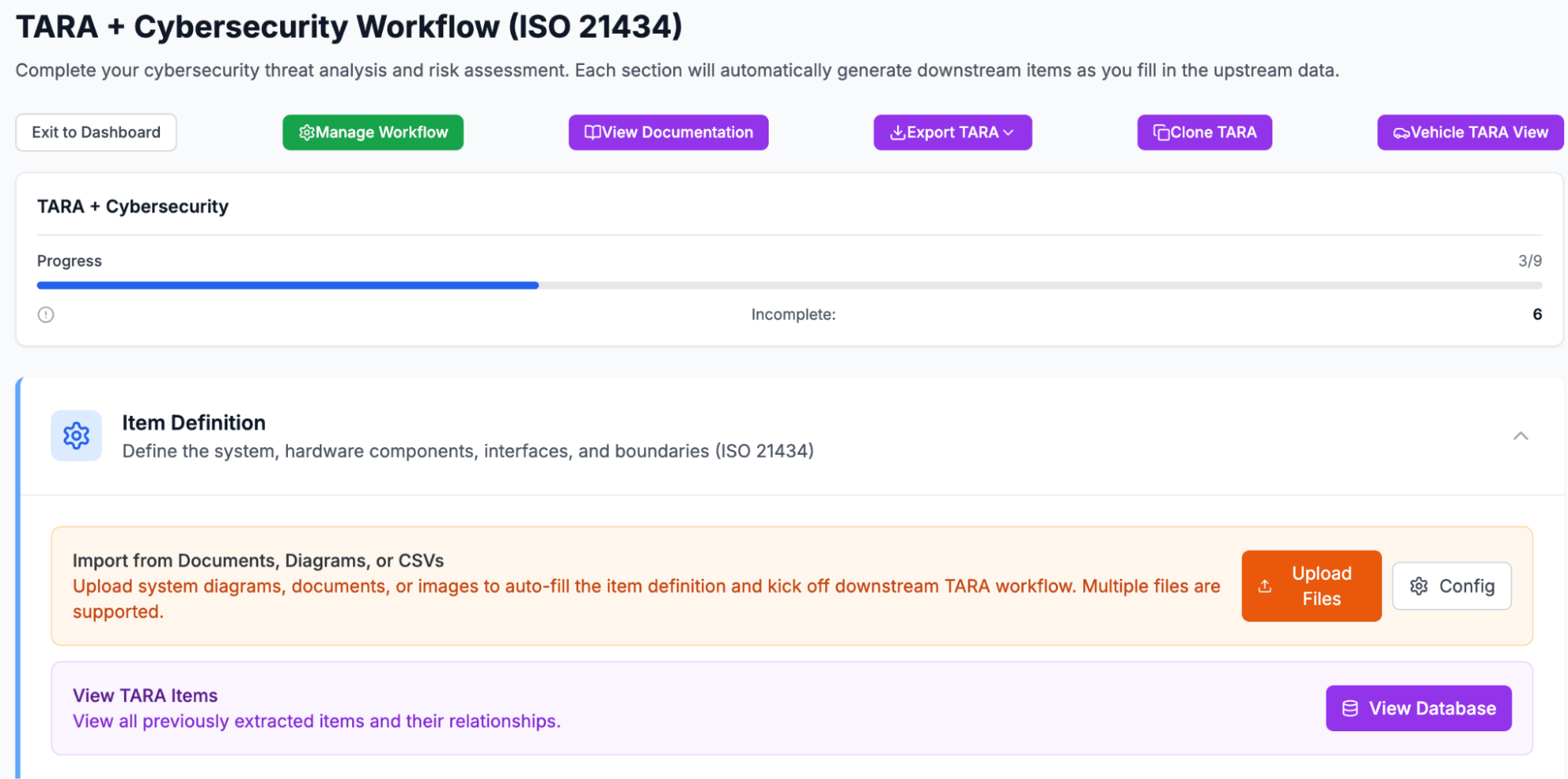
Figure 1: Upload different documents to the tool
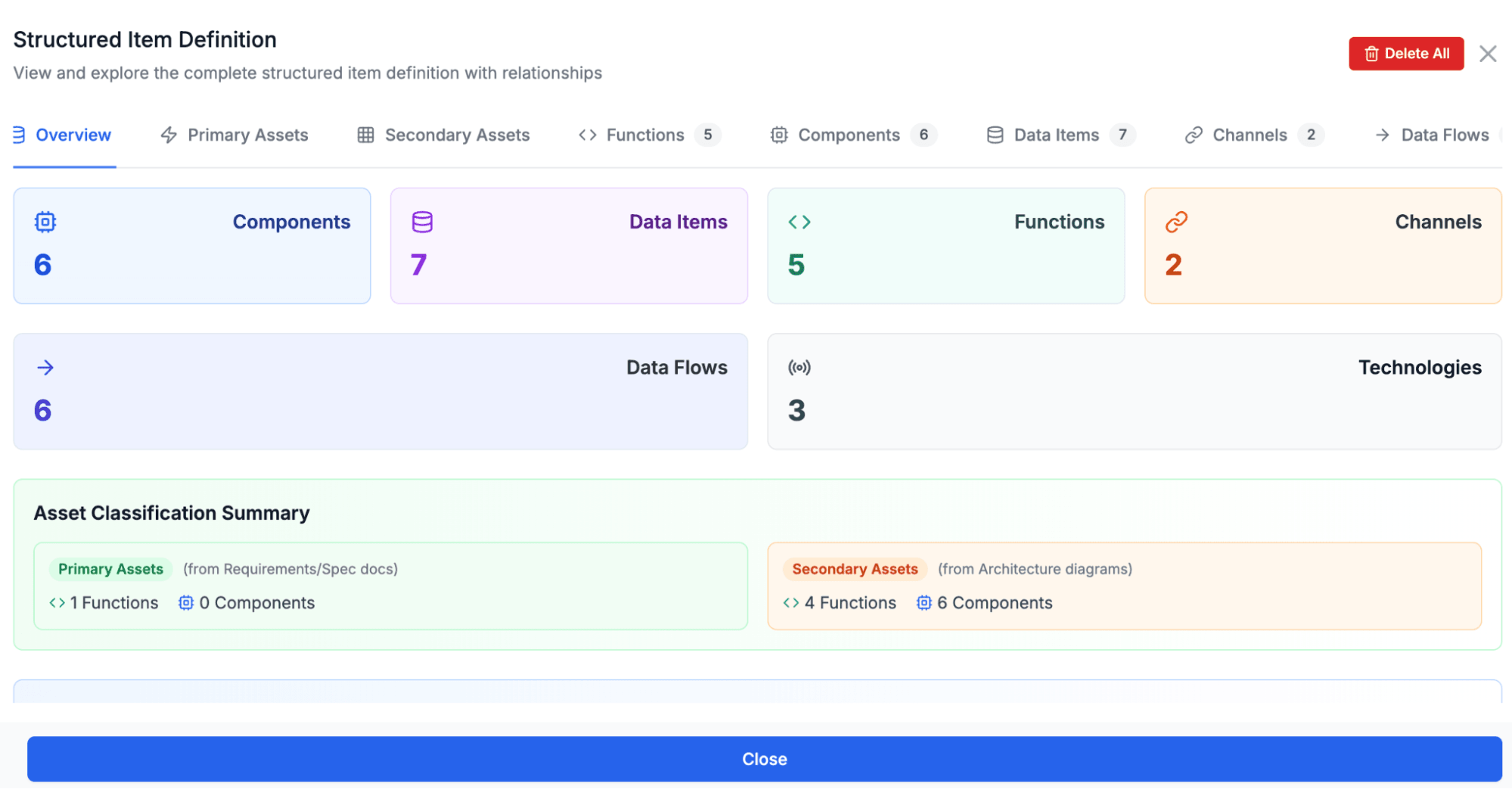
Figure 2: Saphira’s AI engine structures the item definition and creates the hierarchy
Step 2: Build a Usable System Model
Good TARA depends on a clear system model:
- functions
- components and ECUs
- data items
- interfaces and channels
The platform extracts these into a structured view engineers can inspect and edit.
Interface details that matter in practice—such as interface type (CAN, Ethernet, Bluetooth) and internal vs external exposure—are explicitly captured, because they directly affect attack feasibility and attack paths.
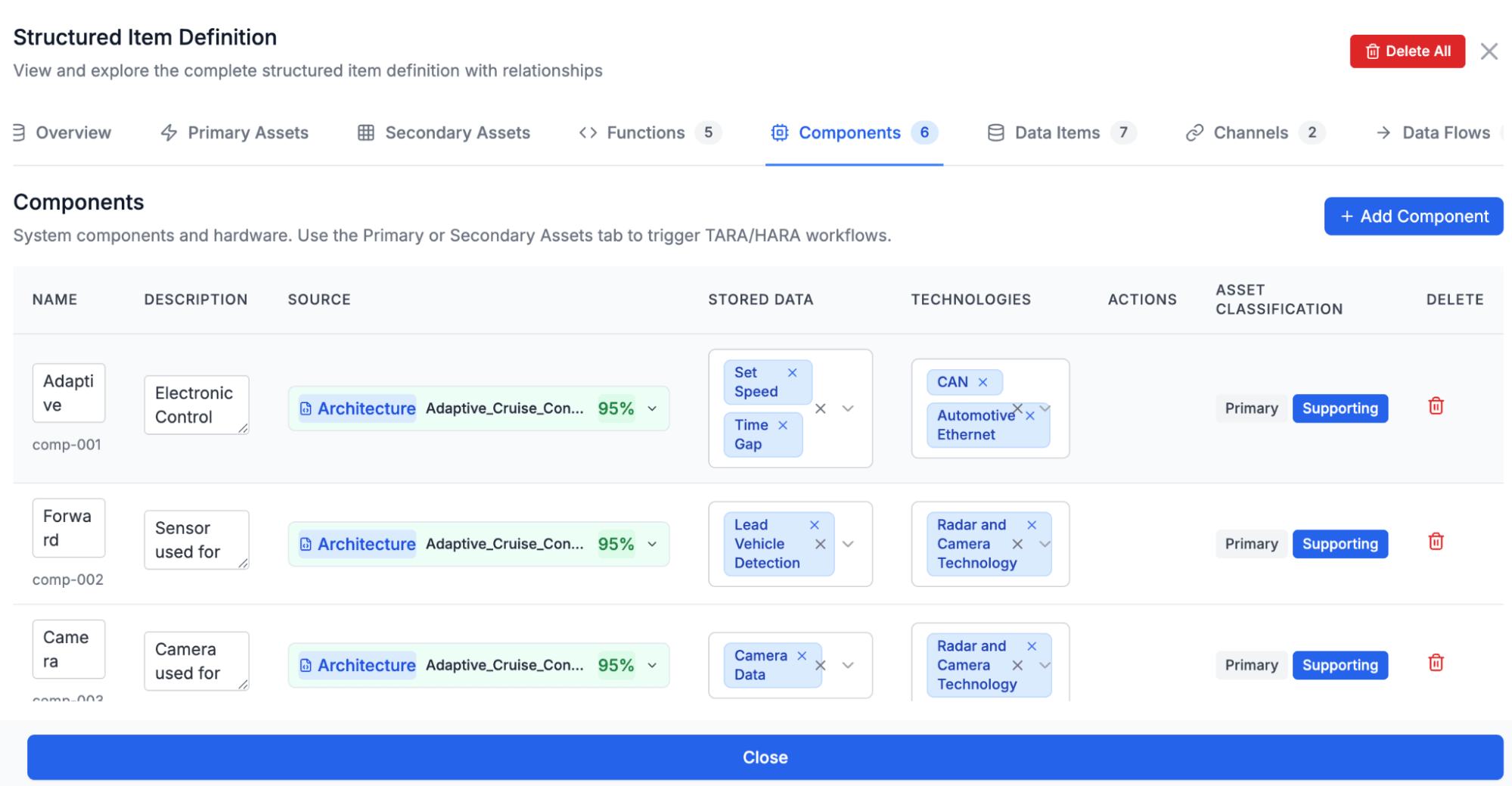
Figure 3: System model with components and enriched interfaces
Step 3: Asset Identification With Consistent Rubrics
Different organizations use different impact categories and scoring scales. The workflow supports this by being template-driven and configurable.
Teams can:
- define their asset categories
- specify impact dimensions (safety, privacy, operational, financial, etc.)
- constrain scoring outputs to approved values
- require rationale for every generated decision
This ensures consistency across programs without forcing teams into a one-size-fits-all process.
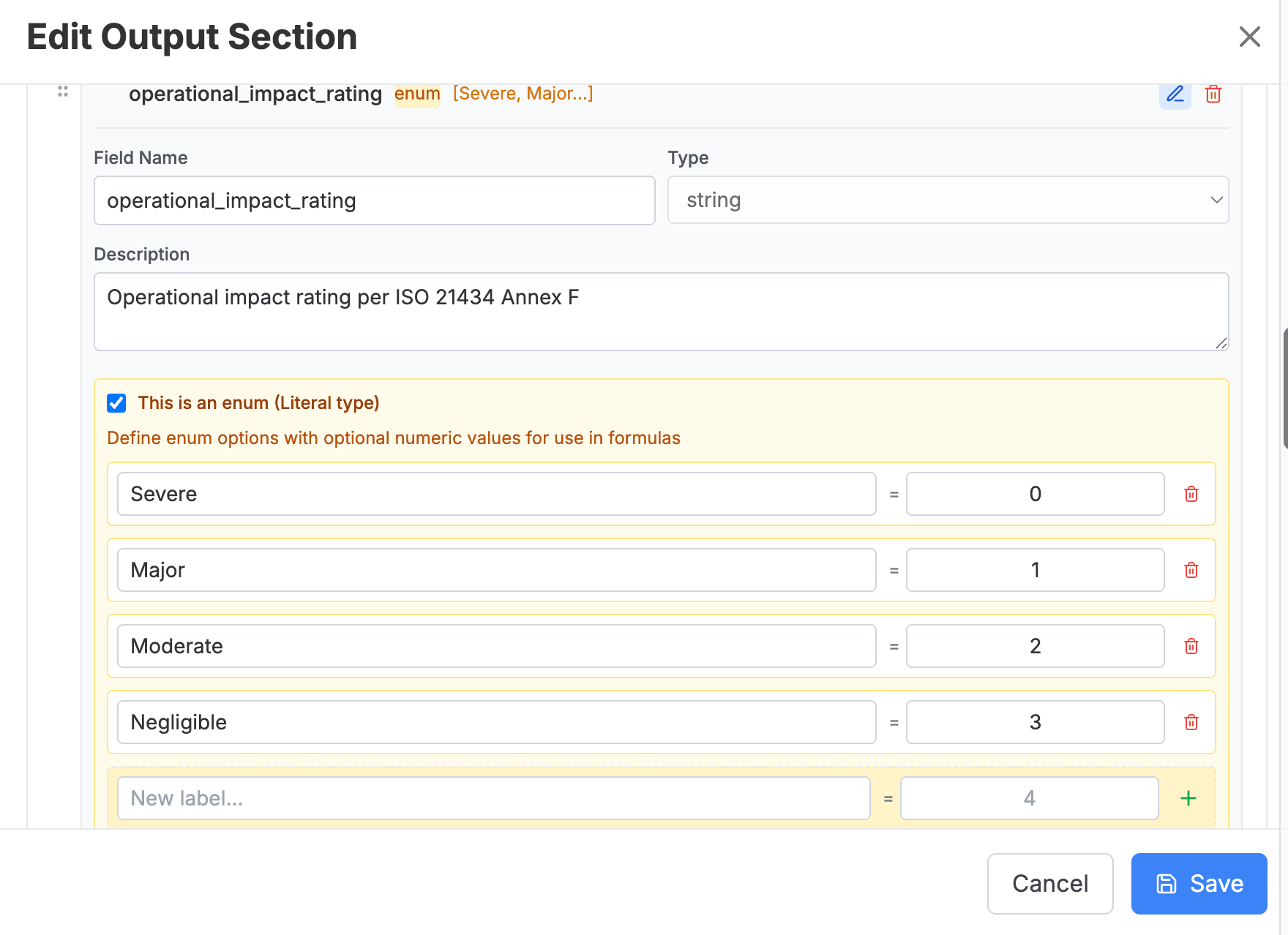
Figure4: Workflow configuration and customizable scoring rubric
Step 4: Generate Scenarios, Attack Paths, and Risk—Fast
Once the system model and assets are in place, the platform generates the core TARA artifacts:
- damage scenarios
- threat scenarios
- attack paths with entry points and steps
- risk ratings with structured rationale
Each output is reviewable, editable, and traceable back to the underlying model. Engineers stay in control, but no longer have to build everything from scratch.
For teams that need deeper analysis, attack paths can later be enriched with techniques and threat intelligence.
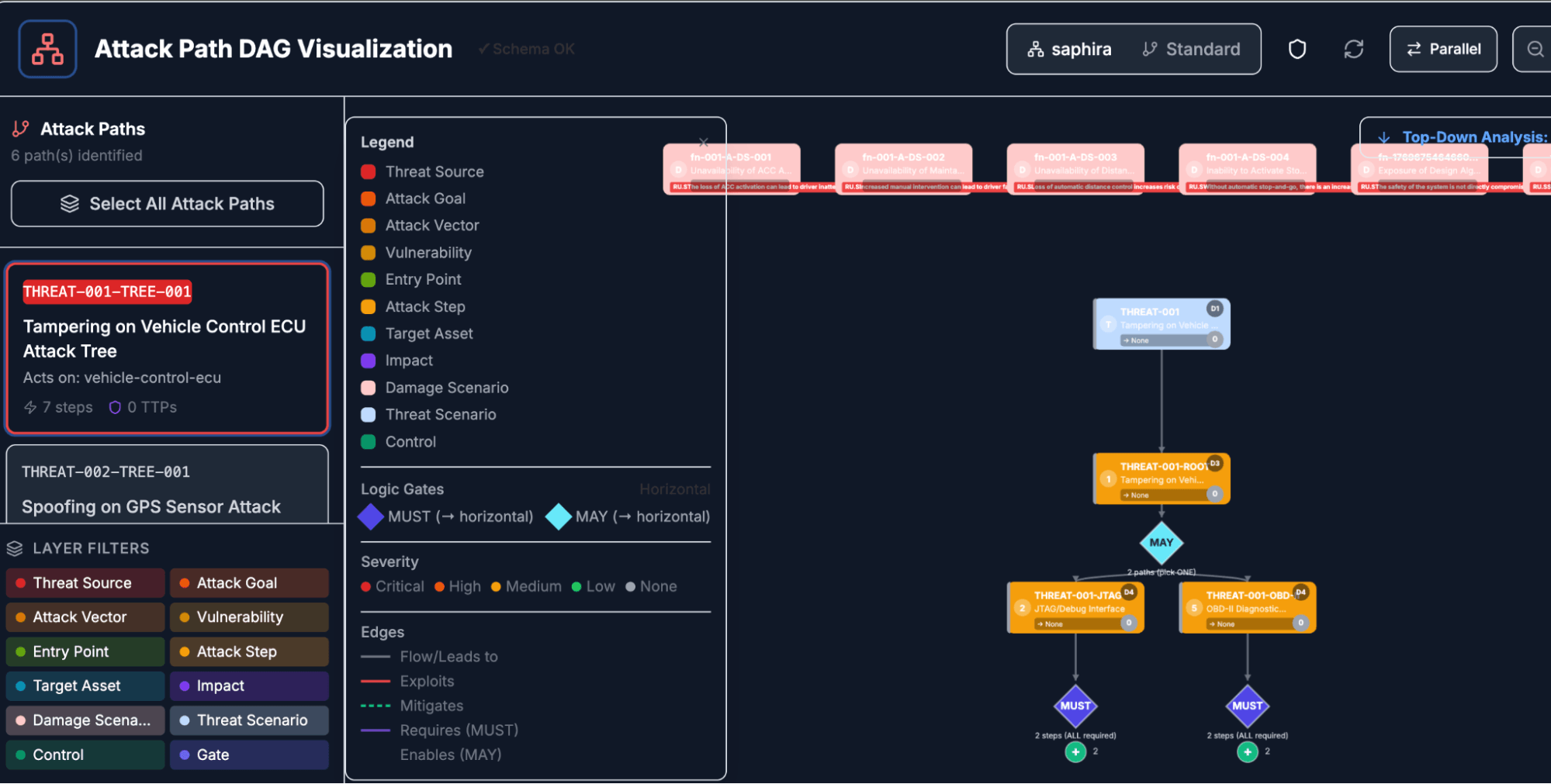
FIgure 4: Attack path visulization
Step 5: Make Risk Decisions Explicit and Trackable
TARA isn’t just about scoring risk—it’s about deciding what to do with it.
The workflow supports:
- explicit risk treatment decisions (mitigate, accept, avoid)
- residual-risk tracking
- review and sign-off
- dashboards showing coverage and open risk
This makes governance visible instead of buried in spreadsheets.
Step 6: Turn Analysis Into Actionable Outputs
One of the biggest benefits of automation is what happens after the analysis.
From scenarios and risks, the platform derives:
- cybersecurity goals
- cybersecurity requirements
- verification intent
Everything remains connected:
Asset → Scenario → Risk → Goal → Requirement → Evidence
This turns TARA into an input for engineering and verification—not a standalone deliverable.
Scale Across Products With an Asset Catalog
Most organizations run TARAs across platforms and product families.
The asset catalog allows teams to:
- reuse system elements across analyses
- inherit baseline threats for shared architectures
- correlate risks across assets and programs
- build higher-level TARAs from subsystem-level work
This enables portfolio-scale reuse instead of repeating the same analysis over and over.
Enrich TARA With External Security Data
The workflow can incorporate additional inputs such as:
- threat intelligence
- vulnerability data
- SBOM / CBOM information
- penetration test findings
These inputs can be referenced during analysis to improve realism and highlight systemic exposure—without breaking traceability.
Why This Approach Delivers Real Value
This workflow doesn’t replace cybersecurity expertise. It removes friction:
- Faster TARA cycles with less manual effort
- Consistent results across teams and programs
- Clear traceability from architecture to decisions
- Easier reviews and audits
- Better reuse across product lines
TARA becomes something teams can run continuously—not something they avoid because of overhead.
TARA as a Living Engineering Artifact
Cyber risk evolves. Designs change. New vulnerabilities appear.
A workflow-driven approach turns TARA into a living artifact—one that evolves with the system, stays defensible, and remains usable over time.
If you’re looking to modernize TARA execution without compromising rigor, this approach offers a practical path forward.